
Early Detection
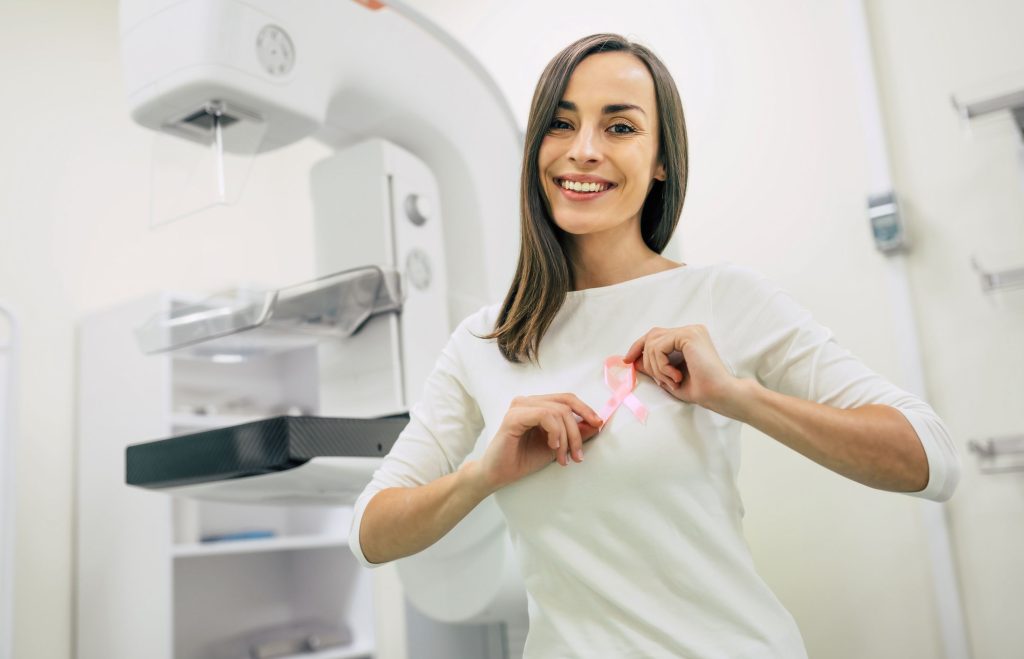
As your healthcare partner, we are committed to providing you with the resources you need to maintain and protect your health. Breast cancer is the most common cancer among women in the United States, and early detection saves lives. Regular mammograms can detect breast changes years before symptoms appear, giving you more treatment options and better outcomes. Guidelines recommend breast cancer screening every 1-2 years.
Screening Process
At Clinica Sierra Vista, we want to make screening as simple and stress-free as possible. While we don’t perform mammograms at our clinic, we have partnered with specialized facilities that offer these important screenings. When you’re ready, we will provide you with a referral to one of these facilities.
Our goal is to empower you with the information and support to take care of your health.
Why Your Mammogram Matters
- Detects cancer early, often before a lump can be felt.
- Improves survival rates with timely diagnosis and treatment.
- Guides personalized health decisions by monitoring changes over time.
- Quick, safe, and highly effective, usually completed in 20 minutes or less.
Diagnostic Services
When a screening mammogram or other procedure detects a potential abnormality, your care team will contact you to recommend follow-up imaging, usually with a diagnostic exam such as a diagnostic mammogram or breast ultrasound.
Diagnostic mammograms provide a radiologist with more views of a specific area of your breast. This type of imaging is similar to the experience of a regular mammogram.
Ultrasounds provide information about the type of tissue in a specific area of your breast. This allows radiologists to further evaluate whether you have normal breast tissue, a fluid-filled cyst, or a solid mass. Unlike mammograms, which use x-rays, ultrasounds use sound waves to generate an image of an area of your breast.
Magnetic resonance imaging (MRI) is typically used for patients who are at high risk for breast cancer, as an alternative screening method for patients with breast implants, or to further investigate cancers in patients who have been diagnosed with breast cancer.
If your results indicate that a tissue biopsy should be performed, you will be referred for an imaging-guided biopsy.
During a biopsy, a sample of tissue is obtained and sent to a pathologist who determines if cancer is present. Biopsies are typically performed if there is a possibility of cancer.

Have questions?
Visit MyChart to schedule an appointment with your provider.
Call us at (833) 678-2781 to speak with our team.
Download the MyChart App
To get started, download the MyChart app from the Apple App Store or Google Play Store. Once installed, choose Clinica Sierra Vista as your healthcare provider and click on “Sign Up Now” to create your account.
Click below to get started.