Original article by Daniela Rodríguez, published by the Center for Health Journalism in partnership with Radio Bilingüe. Published March 27, 2026
Mobile health clinics provide services to farmworkers and rural communities across California’s Central Valley, supporting access to care in areas where transportation, scheduling, and geographic location may limit in-person visits to traditional clinics. These programs offer services such as preventive care, chronic disease management, and referrals to additional resources.
Listen to the original broadcast story (in Spanish)
Mobile health programs also operate within a changing environment that includes shifts in funding, policy conditions, and participation levels. Recent observations show a decrease in attendance at some outreach events and community health activities, resulting in fewer patients being served compared to previous years.
Clinica Sierra Vista (CSV) continues to operate mobile health services throughout the region, coordinating outreach efforts and partnerships to connect patients with care. Mobile health teams provide services in community-based settings, including worksites and local gathering areas. In 2024, CSV reported serving more than 52,091 agricultural workers and their families through these efforts.
Barriers to Care
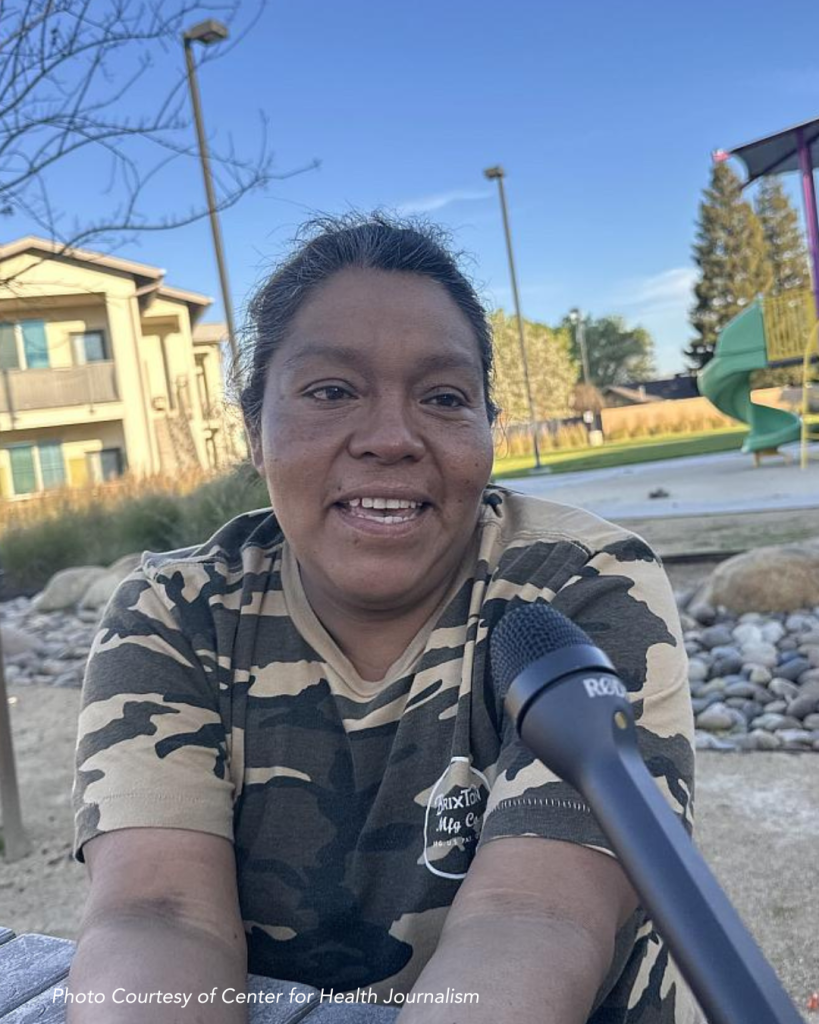
Farmworkers may experience a range of factors that influence healthcare access, including work schedules, transportation availability, geographic distance, and language differences. These factors can affect the timing and frequency of routine medical visits.
“It’s something we farmworkers struggle with a lot because we want to prioritize work, and our health too, but we can’t. At some point, you have to sacrifice something.”
— Adela, agricultural worker in California’s Central Valley
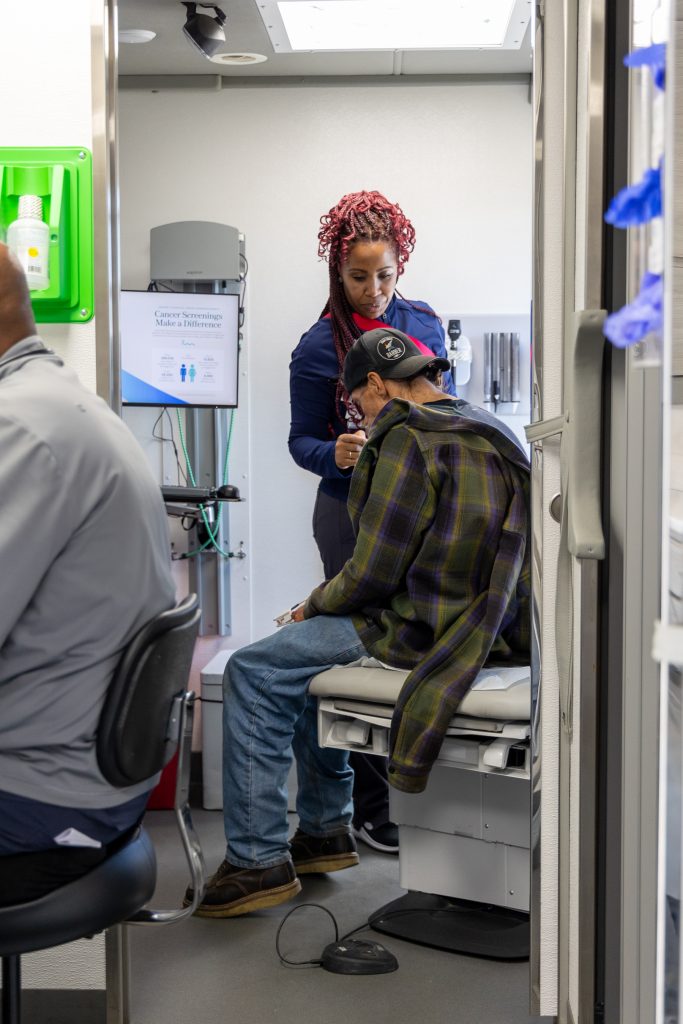
Mobile clinics provide services in locations intended to improve accessibility, including worksites and community settings.
Clinica Sierra Vista’s Role
Clinica Sierra Vista’s mobile health teams deliver services that include preventive care, chronic disease management, and connections to community resources. These services are designed to reduce the need for travel and support patients in accessing care within their communities.
“A big part of the problem is distance… they would have to drive and spend a lot of time… and most farmworkers are very busy. They don’t have time.”
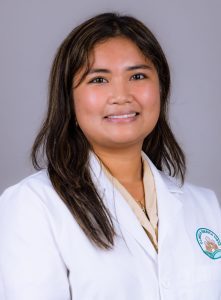
— Geanne Flores, FNP-C, Clinica Sierra Vista
Participation Trends
Mobile health programs have reported changes in participation levels at outreach events in recent years. Attendance at some community health fairs has decreased compared to prior periods. Factors associated with these trends include changes in coverage programs, funding conditions, and varying levels of community engagement.
These conditions may influence both service utilization and the number of individuals reached through mobile health efforts.
Mobile Units: Reaching Families Where They Are
Clinica Sierra Vista’s Mobile Unit Program expanded across Kern and Fresno Counties, providing comprehensive services including primary care, chronic disease management, mental health medication support, women’s health, addiction medicine, and HIV prevention and treatment. The data below reflects fiscal year 2025.
1,200+
Clinical Encounters
800+
Vaccines Administered
115
School Immunization Mobile Clinics